



How Often Should You Get a Roof Inspection in Chicagoland?
If you live in Chicagoland, your roof works year-round through lake-effect snow, freeze-thaw cycles, wind, and summer heat. That mix is tough on shingles, flashing, and vents. The short answer to how often you should book an inspection is simple: most homes benefit from an annual check, and many see clear gains from two seasonal visits. A quick conversation with Roof Revivers and a scheduled visit for roof inspections can help you prevent small issues from becoming big headaches.
Below is a clear, local guide to timing your inspections, why spring and fall matter, and what a pro looks for during a visit. No climbing ladders or risky weekend projects. Just a practical plan that protects your home.
Why Roof Inspections Matter In Chicagoland Weather
Our climate pushes roofs hard. Winter brings snow loads and ice at eaves. Spring can stack wind, hail, and heavy rain within a few weeks. Hot summers bake shingles and dry out sealants. In towns like Plainfield, Naperville, Bolingbrook, and Joliet, wind gusts funnel across open subdivisions, while shaded lots near tree lines hold moisture longer.
All this stress shows up in small ways first. A lifted shingle tab. Granules piling near downspouts. Hairline cracks in sealant. You may not notice from the sidewalk, but a trained eye will. Catching problems early protects framing, insulation, drywall, and your peace of mind. It also preserves curb appeal if you plan to sell.
How Often Should You Schedule A Roof Inspection?
Start with an annual visit as your baseline. Many Chicagoland homeowners find a twice-yearly rhythm delivers the best protection. Here is a simple way to think about frequency based on your roof’s age and recent weather exposure:
- Newer roofs (0–10 years): once a year, plus after severe hail or high-wind events.
- Mid-life roofs (10–15 years): once a year is good, twice a year is even better as materials age.
- Older roofs (15+ years): twice a year to monitor wear, sealants, and ventilation closely.
There are also life moments that merit a check: before listing your home, after a nearby construction project that kicked up debris, or following storms that moved through the I-55 and I-88 corridors. If your home sits beneath mature oaks or maples, schedule right after leaf drop.
Spring vs. Fall Roof Inspections
Both seasons work. The right choice depends on your home’s surroundings and recent weather:
- Spring inspections confirm winter survival, spot ice-dam scars, and prep you for storm season.
- Fall inspections verify summer heat did not dry out critical sealants and help button up for snow.
Many homeowners in Downers Grove and Aurora like a spring visit to clear up any winter concerns, then a quick fall check to make sure caps, boots, and flashing are tight before the first freeze. If you only pick one, choose the season right before your home usually sees the most stress.
Signs You Might Need An Inspection Sooner
Don’t wait for water spots to appear on a ceiling. Earlier is wiser if you notice these red flags:
Sudden roof noise during wind like flapping or tapping can hint at loose shingles or lifted flashing. Shingles on the lawn after a storm point to wind damage. Dark streaks or granule piles near downspouts can mean wear on sunny slopes. If your attic smells musty after rain, moisture may be trapped where ventilation is weak. Any of these are good reasons to call in a pro right away.
What A Professional Looks For During A Roof Inspection
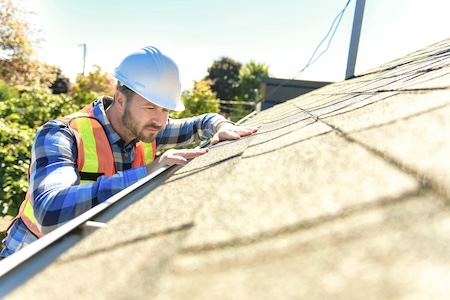
A thorough inspection is a structured, safety-first process. Your technician reviews shingle fields, ridge and hip caps, valleys, penetrations, skylights, pipe boots, wall and chimney flashing, drip edges, attic airflow, and visible sheathing. They also check gutters and downspouts for granule loss and look for early signs of leaks around transitions. For a deeper walkthrough of the appointment flow, skim this helpful article: what really happens during a visit.
In neighborhoods with taller trees or north-facing slopes, moisture lingers and accelerates wear. A pro will note those patterns in the report and prioritize simple, targeted fixes that keep your system sound. That documentation becomes especially valuable if you plan to sell, refinance, or compare past and future inspections over time.
Local tip: Freeze-thaw swings around Chicagoland can open tiny gaps at flashing and nail heads. A quick seasonal inspection catches these before snow and ice push water under shingles.
Safety first: Avoid climbing on your roof. The safest way to protect your home is to let a trained, insured technician handle the inspection.
Roof Maintenance Schedule For Busy Homeowners
If your calendar is packed, set a simple plan you can stick to. Book a spring inspection in March or April to confirm winter performance. If your home sits in a wind corridor or near open fields, add a mid-summer check after major storms. Then schedule a fall visit in September or October to tighten things up before freeze sets in. If a notable hail or wind event hits your street, move your visit up and have a pro look sooner.
Planning to sell in the next year? A well-timed inspection helps your listing shine and avoids surprises during buyer walk-throughs. For a seller-focused perspective, this quick read is worth bookmarking: do i need a roof inspection before selling my home.
How Roof Age, Material, And Ventilation Affect Timing
Asphalt shingles dominate in our area, and they respond differently to sun, shade, and airflow. Roofs on wide-open lots in Bolingbrook age under stronger UV and wind. Homes tucked under tall trees in Naperville may hold moisture. Attic ventilation also matters. Poor airflow can age a roof faster even when the shingles look fine from the ground. That is why a consistent inspection rhythm is useful. It builds a history of photos and notes for your exact home, not just a rule of thumb.
Pro tip: Ask your inspector to point out any recurring patterns on your specific slopes. Knowing where your roof tends to age first helps you plan the right follow-ups without guesswork.
When Preventive Services Can Extend Roof Life
Your roof may not need replacement to look or perform better. In some cases, targeted maintenance and restorative treatments can buy meaningful time. If an inspection finds early wear on shingles or minor sealant fatigue around penetrations, a pro may recommend focused work that refreshes the surface and improves water shedding. When it makes sense, explore roof restoration with a trusted local team so you can plan upgrades on your terms.
If your inspection uncovers widespread issues or storm damage that cannot be solved with maintenance, a clear report helps you evaluate next steps calmly and compare options at your pace.
Your Best Cadence: Putting It All Together
For most Chicagoland homes, an annual inspection is the minimum. Two visits, spring and fall, give better coverage against our weather swings. Add a check after major storms or before you list a home. Keep your notes and photos together so you can compare each year’s findings. If a past report shows a soft spot developing at a valley or chimney saddle, your technician can track it and step in before it becomes a leak.
Want a quick refresher on the value side? This short piece covers the big-picture benefits in plain language: roof inspections: the key to protecting your home.
Who To Trust For Roof Inspections In Chicagoland
Roof Revivers is a local remodeling company that focuses on roofing systems and homeowner confidence. We serve suburbs across the region and tailor each visit to your roof’s age, exposure, and goals. If you want a straight answer and clear photos, our team is ready to help. You can learn more by visiting how often should you get a roof inspection in Chicagoland or by calling us at 815-483-5347 for scheduling.
If you are ready to get on a smart schedule, book your visit for roof inspections and set reminders for spring and fall. If a storm hits your block or you are prepping to sell, move your date up so a pro can check critical areas and keep small concerns from spreading. A consistent plan now means fewer surprises later.
Bottom line: Chicagoland weather is predictable only in its unpredictability. A steady inspection rhythm with Roof Revivers keeps your roof ready for what comes next and helps your home look cared for, season after season.
Our Full List Of Roofing Services
Revive Your Roof With Our Roofing Company In Plainfield!